
Fall Travel in Europe: Why Autumn is the Best-Kept Secret
- Willow & Wander Travel Co

- Jun 2
- 6 min read

Summer gets all the attention. Everyone races to book Europe in June, July, and August, and they end up jostling through the Colosseum, waiting an hour for a table in Paris, and sweating through Florence in 95-degree heat. Fall travelers know something the crowd doesn't: Europe in September and October is a completely different experience, and in many ways, a better one.
If a European trip has been on your list, fall is worth a serious look. Here's why…
The Summer Crowds Are Gone (and Good Riddance)
This is the most immediate, tangible difference. By September, the peak summer rush has cleared. Iconic sites that spend July and August packed shoulder-to-shoulder become genuinely enjoyable again.
The Amalfi Coast goes from gridlock to breathable. The Uffizi in Florence can actually be explored at a comfortable pace. In Prague, Dubrovnik, and Santorini, you can walk the streets without feeling like you're part of a parade.
What that means for you: shorter queues, easier-to-get dinner reservations, less competition for tours, and more room to actually pause and take it all in. The experience you were hoping for in summer often exists in fall, just waiting for you.
The Weather Is Still Very Good
Here's the honest version: fall weather in Europe varies by region, and that's worth knowing before you book. But for most popular destinations, September and early October deliver some of the most comfortable travel conditions of the year.
The Mediterranean (Italy, Greece, Croatia, southern Spain, Portugal) holds warm temperatures well into October. You're looking at highs in the mid-70s to low-80s Fahrenheit through most of September, cooling gradually into October. The sea is still warm enough to swim.
France and Central Europe (Paris, Burgundy, the Rhine Valley, Austria) cool faster but still offer mild, pleasant days through October. Think light layers, golden afternoon light, and the kind of atmosphere that makes a glass of local wine taste even better.
Northern Europe (Scandinavia, Scotland, Ireland) runs cooler and wetter by fall, but the dramatic landscapes and thinner crowds make it worthwhile for the right traveler. Pack accordingly and lean into it.
The short version: if you're heading to the Mediterranean or Central Europe, fall weather is not a compromise. For many travelers, it's preferable to the intense heat of a European summer.

The Landscapes Are Doing Something Special
This is where fall in Europe moves from "practical choice" to something you'll talk about for years.
Harvest season transforms the countryside in ways that summer simply can't replicate. The vineyards of Tuscany, Burgundy, and the Douro Valley in Portugal turn gold and copper. Provence takes on a different, quieter beauty. The Swiss and Austrian Alps deliver the kind of fall foliage that rivals anything in New England, with the dramatic mountain backdrop to match.
Eastern Europe, especially the Czech Republic, Hungary, and Slovenia, is particularly stunning in October. These destinations are already underrated at any time of year. In fall, they're exceptional.
Your Money Goes Further
Shoulder season pricing is real, and it's meaningful. Flights, hotels, and tour operators all adjust rates to match demand, and fall demand is lower than summer. That gap can translate to significant savings, or the same budget spent on a meaningfully nicer hotel or experience.
Availability is also better. The boutique hotel in the hill town that's waitlisted all summer? It has rooms in September. The cooking class in Bologna that books out months in advance? It's accessible. The private villa with the view? Suddenly within reach.
For families working with a set vacation budget, this matters. For couples looking to upgrade the experience, it matters differently. Either way, fall gives you more options for what you spend.
Fall Travel in Europe Means Better Food and Wine
If there's one reason to specifically choose fall, it might be this. The food and wine calendar in Europe reaches its peak between September and November, and the experiences tied to it are genuinely memorable.
Vendemmia (the grape harvest) runs through September and October across Italy's wine regions. Visitors can participate in harvests in Chianti, Barolo, and Valpolicella, tour wineries operating at full capacity, and taste wines straight from the source. It's one of those experiences that doesn't translate to any other time of year.
Truffle season begins in fall, particularly in Umbria and Piedmont in Italy. Fresh truffle shaved over pasta or eggs is in a different category from anything you'll find outside this window.
Oktoberfest in Munich runs mid-September through early October, drawing travelers from around the world for beer, pretzels, and an atmosphere that's genuinely unlike anything else in Europe.
Beaujolais Nouveau releases in November if you want to push into late fall. Paris in November, with fewer tourists and wine flowing, has its own particular magic.
These aren't manufactured tourist events. They're rooted in local tradition and agriculture, and they happen to be exactly when fall travelers are there to enjoy them.
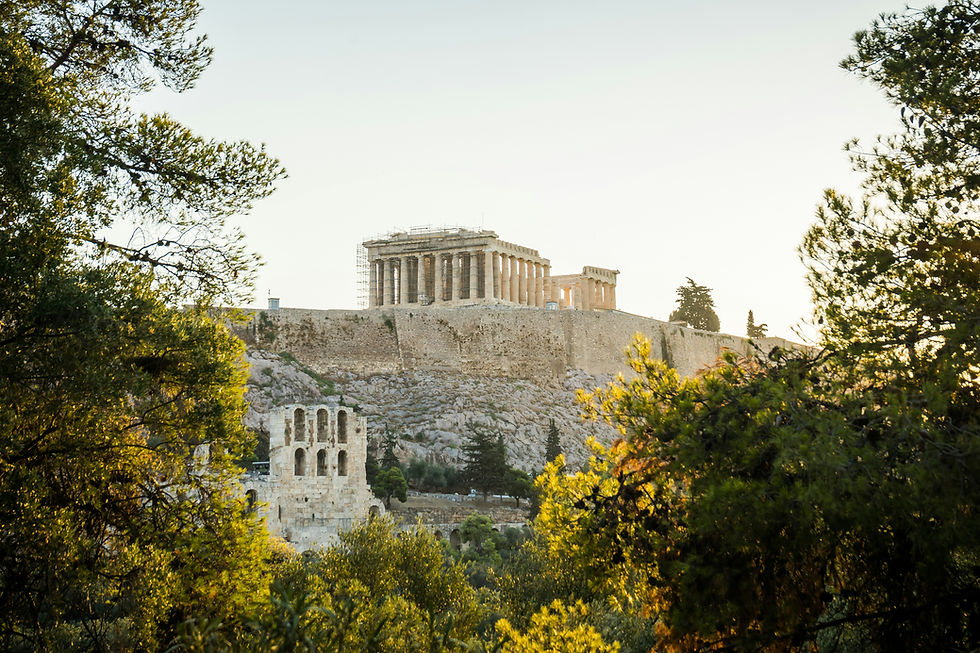
Fall European Trip Ideas Worth Dreaming About
The best way to understand what fall in Europe can look like is to picture an actual trip. Here are five itinerary types we love planning for autumn travelers.
Mediterranean Cruise: Italy and Greece (or Italy and Croatia) An ocean cruise in September or October is one of the smartest ways to experience the Mediterranean. Ports like Rome, Naples, Santorini, and Dubrovnik are dramatically more enjoyable when the peak summer crowds have thinned. You unpack once, wake up somewhere new each morning, and the sea is still warm enough to make every port stop feel like a reward. This works beautifully for couples, families, and groups who want variety without the logistics of moving between hotels.
River Cruise Through Portugal: The Douro Valley The Douro Valley in October is something special. Vineyards terraced along the hillsides turn gold and amber right as the grape harvest wraps up. A river cruise here is intimate by design, typically smaller ships, locally focused itineraries, and a pace that lets you actually absorb where you are. Porto bookends the experience beautifully. This is a favorite for wine lovers, couples and empty nesters who want something elevated and unhurried.
Guided Tour Through Italy: Tuscany in Harvest Season Tuscany in fall is the postcard come to life. A guided tour through the region during Vendemmia pairs the best of the season: vineyard visits, truffle hunting, cooking classes, hilltop towns with almost no one else around. The structure of a guided tour means the best local experiences are already arranged, and you're moving through it with someone who knows the context. This one suits first-time visitors to Italy and anyone who wants the depth without the planning burden.
Independent Itinerary: Paris and Burgundy For travelers who prefer to move at their own pace, Paris in September and October has a particular quality. The summer tourists are mostly gone, the light is golden, and the restaurant scene is fully alive. Pair a few days in the city with time in Burgundy during the wine harvest and you have a trip that's genuinely hard to replicate at any other time of year. We build these itineraries around your interests, your pace, and the kind of experience you actually want, not a cookie-cutter route.
Guided Tour Through Croatia and Slovenia Dubrovnik, the Plitvice Lakes, and Ljubljana form one of Europe's most underrated fall routes. Croatia's coastline cools to a perfect walking temperature in September and October, the Plitvice Lakes reflect fall foliage in a way that photographs almost don't do justice to, and Slovenia remains one of the least crowded, most beautiful corners of the continent. A guided tour here gives you local expertise in destinations where context really adds to the experience.
When to Start Planning
The best fall trips don't come together at the last minute, especially if you want specific hotels, private tours, or rail journeys between cities. September and October travel books quickly for the most popular routes and properties, even with the lighter shoulder season demand.
If fall 2026 has passed you by, now is a genuinely good time to start thinking about fall 2027. Working with a travel advisor means you're not building the itinerary from scratch or spending months sorting through conflicting advice online. We handle the logistics, the sequencing, the bookings that require local knowledge, and the details that make a good trip great.
European travel is one of our favorite things to plan. Tell us where you're dreaming of going, and we'll take it from there!
Comments